Academic Specialist (Cytometry)
The Materials Characterisation & Fabrication Platform, the University of Melbourne, Melbourne, Australia.
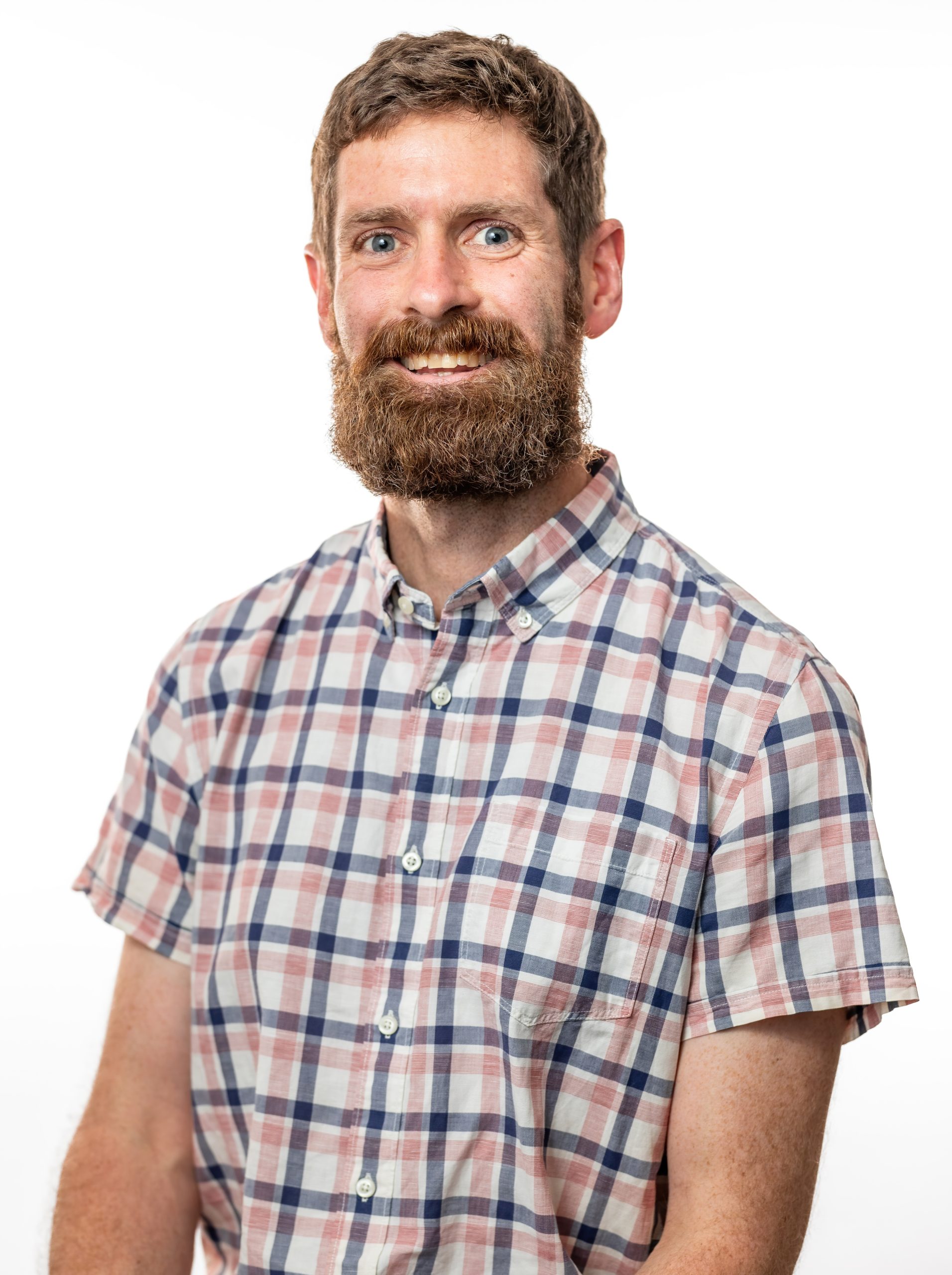
Darryl has long had a keen interest in the methodological and technical aspects of research. During his PhD studies and postdoc, his research heavily involved the development of novel cytometry and microscopy techniques to investigate receptor-ligand interactions and innate-like T cells. He now applies his technical, research, and education interests as an Academic Specialist (Cytometry) at The Materials Characterization and Fabrication Platform (MCFP), the University of Melbourne. Darryl is deeply involved in researcher training, assisting with experimental design, and developing novel mass cytometry and imaging mass spectrometry techniques. Darryl’s work supports the research activities from life sciences to engineering.
As well as his research and platform work, Darryl is an advocate for sustainability in science. He has been recognised for his sustainability actions as the MCFP’s Sustainability Champion and team lead of the Faculty of Engineering and Information Technology Green Impact team “The Greengineers”. Furthermore, he has completed accredited Carbon Literacy Training, is a My Green Lab Accredited Professional, and is a founding member of “Labs who Care”, a network for Australians working in STEMM to promote and share sustainable science practices.
- What inspired you to apply to the LDP or what are you looking forward to with the LDP?
I attended my first Australian Cytometry Society conference in 2022 and CYTO in 2024 and have always found the cytometry community very warm, welcoming, and engaging. As such, I was motivated to increase my involvement in the community, while also looking to enhance my leadership skills and build my network. I look forward to applying the experience gained in the LDP towards my interests in mass cytometry, imaging mass cytometry, and sustainability in science. I am excited for the opportunities to contribute further to the cytometry community. - How did you get into Cytometry?
My first taste of cytometry was as a 3rd year immunology undergraduate analysing a four colour panel of stained splenocytes. I remember thinking of an event on the dot plot, “Wow that is a cell! It is so cool that this machine can analyse 1000s of cells in seconds”. Fast forward many years, and I am still using cytometers, but now I’m running 40+ parameter mass cytometry panels, developing techniques to measure the endogenous elements within single cells, and guiding users on imaging flow to see the cell behind each event on a dot plot.
Scientific Interest and Avenues for Collaboration:
Imaging flow cytometry, Mass Cytometry, Imaging Mass Cytometry/Spectrometry, and Sustainability in Science
Participation / Support of ISAC (This can be your involvement on a committee(s), CYTO conference involvement etc.)
Member of the Imaging Flow subcommittee, Mentorship working group, and SRL Content subcommittee.
I first attended and presented in a parallel session at CYTO Edinburgh 2024
Website/LinkedIn Profile Link