
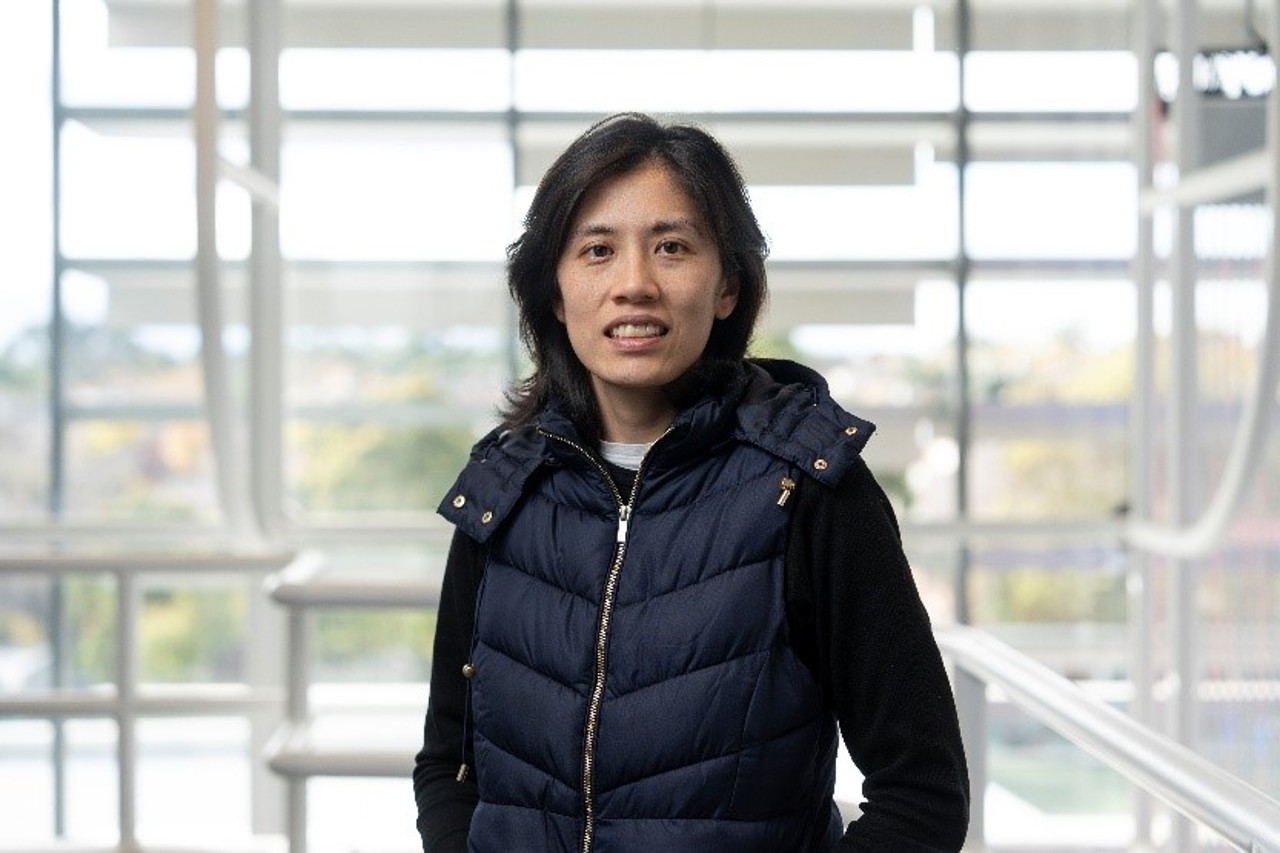
Postdoctoral Researcher
Walter Eliza Hall Institute of Medical Research
Melbourne, Australia
I am a postdoctoral researcher at Walter Eliza Hall Institute of Medical Research, Melbourne, Australia. My current research focuses on leveraging machine learning techniques and multi-omics data to advance our understanding of cancer. I completed my PhD in 2021 from The University of Sydney in Sydney, Australia. During my PhD, I developed machine learning algorithms to track the development of immune response in time-series cytometry data and co-developed the Spectre R toolkit for analysing high-dimensional cytometry data. Outside of research, I joined the ISAC data committee to contribute towards improving cytometry data sharing practices and infrastructure. Additionally, I am also passionate about education and routinely run data analysis workshop to empower biologists to analyse their own data.
What inspired you to apply to the LDP or what are you looking forward to with the LDP?
I first learnt about the leadership program from my PhD supervisor, Dr. Tom Ashhurst, who himself was a Marylou Ingram scholar. After attending multiple CYTO conferences, interacting with various current and former scholars from across the globe, I noticed how the program has given them an unparalleled networking, mentoring, and collaboration opportunity, and has empowered them to become great leaders in their field. I am truly grateful to have been selected as a Marylou Ingram scholar, and am looking forward to collaborate with fellow scholars, contribute to ISAC, and promote cytometry’s visibility in biomedical research.
Tell us a fun cytometry anecdote or a fun cytometry fact
My favorite way to explain cytometry to those familiar only with other omics data is we’re the generous, lesser-known, not as fancy cousin of scRNAseq, with single-cell and molecular biology are our grandparents. We both profile molecules at the single-cell level, but we are more generous because our data includes a whole lot more cells, and it costs significantly less to profile that many cells. We’re lesser-known because many people think we just sort cells, but in reality, we can do so much more than just that! While we may not be able to profile tens of thousands of genes, we can profile over 40 proteins!
Website: https://www.linkedin.com/in/givanna-putri-7ab678235/