
The mission of the ISAC Instruments for Science (I4S) Task Force is to expand global access to cytometry technology by facilitating the donation and placement of instruments in resource-limited laboratories. I4S committee members support this mission by coordinating instrument donations, refurbishment, installation, training, and ongoing assistance to ensure the long-term success of recipient labs.
Our Process:
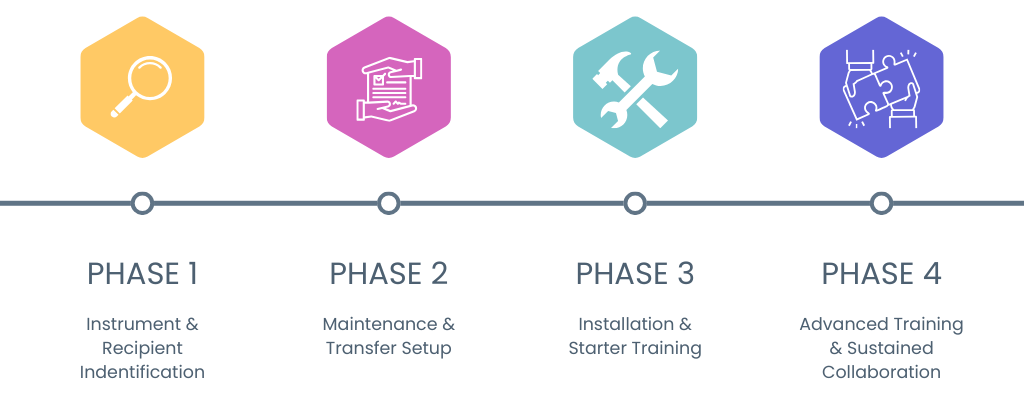
For over 20 years, I4S has worked to reduce inequities in access to cytometry technology in under-resourced regions. Built on practical experience, trusted partnerships, and a commitment to sustainability, our process includes:
Phase 1: Instrument and Recipient Identification – We locate high-quality cytometers about to be phased out of a lab through our global scientific network. Labs are selected through direct applications or partnering organization referrals. Each is carefully assessed for need, infrastructure, and long-term potential.
Phase 2: Maintenance & Transfer Set Up – Instruments are refurbished and tested by experienced volunteers. We navigate complex international logistics to ensure safe delivery.
Phase 3: Installation & Starter Training – ISAC volunteers provide assistance with installation and initial training, often travel on-site to provide hands on assistance.
Phase 4: Advanced Training & Sustained collaboration – Comprehensive training is delivered at installation and through follow-up workshops—both in person and virtual by members of ISAC’s Live Education committee. These sessions often include broader academic and clinical communities to maximize regional impact.
Monetary contributions greatly help refurbish instruments, fund shipping, and provide training to labs in need. Questions? Complete this short form and an ISAC staff member will contact you shortly.
Learn About the Impact Our Instruments are Making

Flow Cytometry for Wildlife Health: A Pilot Study: Kruger National Park, South Africa
+ Location: Kruger National Park, South Africa.
+ Project details: Helminth and tuberculosis (co-)infections are common in humans, livestock and wildlife in large parts of the world. We propose to develop new flow cytometry-based tools to understand the immunopathogenesis of helminth-tuberculosis coinfection and to diagnose tuberculosis in wild African buffalo.
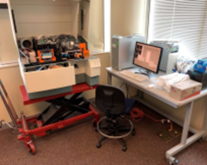
Donation of BD FACSCalibur Flow Cytometer: Asunción, Paraguay
+ Location: Instituto de Investigaciones en Ciencias de la Salud (IICS), National University Asunción.
+ Project details: Instrument will impact the Immunology Department which focuses on primary immunodeficiency diseases and also will expand to include profiles of several diseases affecting Paraguay.
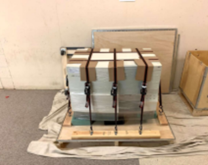
Donation of BD FACSCalibur Flow Cytometer: Kathmandu, Nepal
+ Project details: Instrument is a critical component in a research collaboration between ISAC and other institutions aimed at immune monitoring during local endemic disease outbreaks (Dengue fever, COVID-19).