Assistant Professor
Universidad del Desarrollo, Santiago, Chile
LinkedIn: https://www.linkedin.com/in/luisa-duarte-7a466935/
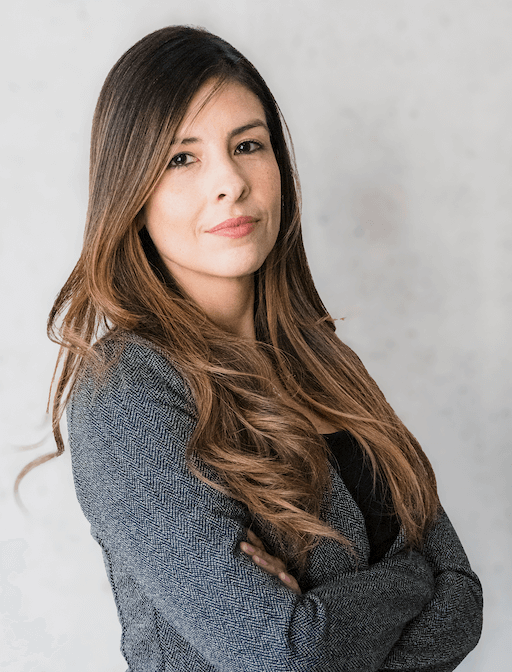
Luisa Fernanda Duarte Peñaloza is an Assistant Professor at Universidad del Desarrollo in Santiago, Chile. She is a microbiologist and neuroscientist whose work focuses on understanding how viral infections affect the brain, particularly how infection-induced inflammation can contribute to long-term damage and the development or exacerbation of neurodegenerative diseases. She is currently building her own research group dedicated to elucidating what occurs in the brain during and after infections.
Scientific Interest and Avenues for Collaboration
Luisa’s main scientific interests lie in elucidating the cellular and molecular mechanisms mediating host–microbe interactions that may contribute to neurodegenerative disorders triggered or worsened by viral infections. Her research is also directed toward identifying and evaluating potential new therapeutic approaches to prevent, treat, and ultimately cure persistent infectious and autoimmune diseases.
Participation / Support of ISAC
Luisa participated in an ISAC Workshop in Montevideo, where she engaged with ISAC leaders and experienced the Society’s collaborative and inclusive culture. She is interested in developing similar courses in Chile to increase regional equity in access to cytometry across Chile and Latin America.
Luisa applied to the Leadership Development Program due to her passion for mentoring young scientists and promoting interdisciplinary science. She views ISAC as a community where science, mentorship, and collaboration intersect, and she looks forward to learning from experienced leaders while connecting with early-career scientists from around the world.
A particularly memorable experience for Luisa occurred during hands-on training in spectral cytometry at the Institut Pasteur in Montevideo, where working alongside colleagues from different countries reinforced her view of cytometry as both a powerful technique and a shared global language connecting scientists across borders.